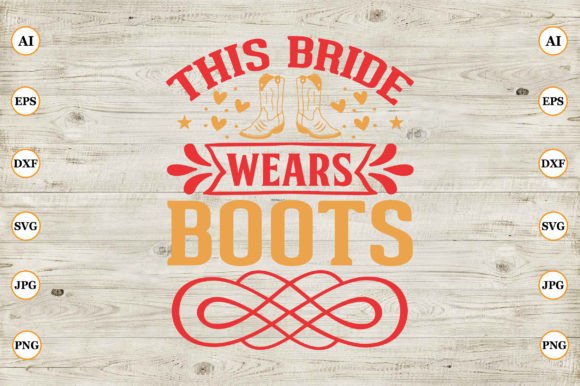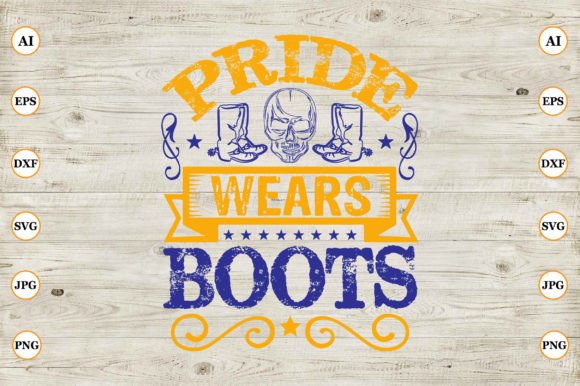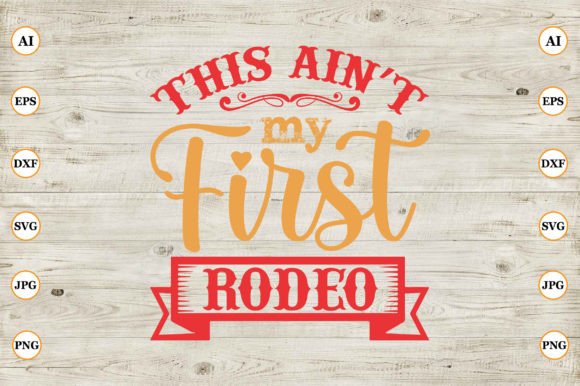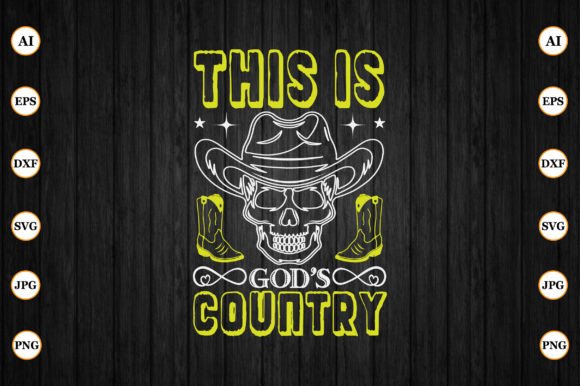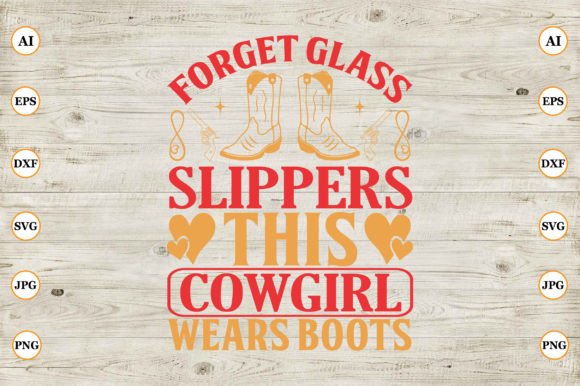
Forget Glass Slippers This Cowgirl Wears
When I open a new embroidery file for review, I am rarely looking at just a shape or a collection of paths. I am looking for a finished product in my mind’s eye. I need to see how it sits on a chest pocket, how it holds up after twenty washes, and whether it commands enough attention to justify the price tag on an Etsy listing. Today, I am evaluating a design that leans heavily into the Western aesthetic: Forget Glass Slippers This Cowgirl Wears. It is marketed as a digital download cutting file suitable for Cricut and Silhouette machines, but for those of us working with needle and thread, the question is always the same: does this translate well from screen to fabric?
The first impression of Forget Glass Slippers This Cowgirl Wears is one of bold confidence. The typography is the hero here, delivering a message that resonates strongly with the modern maker and the boutique owner alike. It taps into a specific mood—unapologetic, rugged, yet playful. For a craft business, this kind of clear visual personality is gold. It does not require explanation. A customer scrolling through a shop sees the phrase and immediately understands the vibe. It feels less like a generic quote and more like a statement piece ready for custom apparel.
Real-World Application: From Screen to Stitch
I recently imagined using this design for a client project involving personalized aprons for a local bakery that specializes in rustic, farm-to-table goods. The concept was to create a cohesive brand identity where the staff uniforms told a story. Forget Glass Slippers This Cowgirl Wears fit that narrative perfectly. However, moving from a PNG preview to actual stitching requires careful planning.
If you are planning to use this for sweatshirt embroidery or heavy-duty tote bags, the layout needs to be considered carefully. The text-heavy nature of the design means that stitch density will be your primary concern. Unlike an applique design which might rely on large blocks of color, this design relies on the integrity of the letterforms. If the stitch density is too high, the fabric can pucker, especially if you are working with thinner materials like cotton tees or linen blends. Conversely, if it is too sparse, the text may look thin and lack the "pop" needed for a handmade product to feel premium.
For small business owners, this design is versatile. It works beautifully as an embroidered patch if you add a border, allowing you to attach it to caps, hats, or denim jackets. It also translates well to kitchen towel designs, where the contrast between the white fabric and dark thread makes the message stand out. The Western theme gives it a timeless quality, meaning it won’t feel outdated when you list it as a holiday gift option later in the year.
Where Caution Is Required
Not every surface is created equal, and Forget Glass Slippers This Cowgirl Wears has specific areas where it demands respect. I would advise against placing this design on highly textured fabrics such as bouclé or thick waffle knits without extensive testing. The details in the letters can get lost in the weave, resulting in a muddy appearance that hurts brand consistency.
Similarly, stretchy fabrics like jersey or spandex blends pose a challenge. Text-based designs are susceptible to distortion if the stabilizer is not chosen correctly. If the hoop size is not locked down firmly, the tension can pull the letters out of alignment, making the quote read incorrectly—a disaster for any Etsy seller aiming for professionalism. Curved surfaces, such as the front panels of baseball caps, also require careful digitizing adjustments. Without proper underlay and stabilization, the straight lines of the text may bow, ruining the clean aesthetic that the design promises.
Another critical factor is thread color contrast. On dark fabrics, you will need to choose light threads, but be mindful of the background fabric's texture. On light fabrics, dark threads offer clarity, but ensure the underlay does not show through if the fill stitches are sparse. Always test these combinations before committing to a batch production run.
Practical Designer Notes for Execution
To get the best result from this machine embroidery design, I recommend following a strict pre-flight check. First, inspect the digital embroidery file in your software to check for unnecessary jumps or trims. Look closely at the corners of the letters; sharp angles often suffer from thread breaks if not reinforced with proper satin stitch techniques.
- Test on Scrap Fabric: Never trust a mockup. Stitch the design on the exact fabric you plan to sell. This reveals issues with fabric texture and thread friction that screens cannot show.
- Check Stabilizer Compatibility: Use a cut-away stabilizer for stretchy garments and a tear-away for stable wovens. The wrong choice leads to puckering.
- Review Stitch Density: High-density fills can make a garment stiff and uncomfortable. Ensure the design balances fill stitch areas with running stitch accents to maintain breathability.
- Black and White Mockups: View your design in grayscale to check contrast levels. If the text disappears against the background in black and white, it will likely struggle in color.
- Licensing Verification: Before selling finished items or including this in design assets bundles, confirm the license terms. Commercial rights vary, and protecting your small shop product inventory starts with legal clarity.
Final Verdict on Visual Appeal and Value
Forget Glass Slippers This Cowgirl Wears succeeds because it speaks directly to its audience. It is not trying to be subtle. For apparel decorators and creative entrepreneurs, this design offers high recognition value. Customers buy into the lifestyle the design represents. When executed well, it elevates a basic t-shirt into a statement piece, increasing the perceived value of the finished product.
The inclusion of multiple file formats (Ai, SVG, PNG) suggests versatility beyond just embroidery. You can use the vector files for print-on-demand mockups or vinyl cutting, creating a multi-channel approach to your craft business. However, for the embroidery-specific application, the success lies in the technical execution. The design itself provides a strong foundation, but it is the attention to detail in stitching, stabilization, and fabric selection that determines whether it becomes a bestseller or a return.
In summary, this is a solid addition to any library focused on Western or rustic themes. It is practical, marketable, and visually striking. Just remember that in the world of handmade goods, the devil is in the details. Test thoroughly, stitch cleanly, and let the bold message of the cowgirl do the rest.