Skull Cowboy SVG DXF Cut Files Review
When I sit down to evaluate a new digital asset for my embroidery studio, I am rarely looking for just another pretty picture. I am looking for structural integrity, stitchability, and commercial viability. Most designers know that what looks good on a screen often falls apart under the needle. That is why I approach every embroidery file with a critical eye, testing how lines translate to thread and how negative space behaves in real-world applications.
This week, I pulled up the Skull Cowboy SVG DXF Cut Files to see if it holds up against the rigorous demands of custom apparel and boutique merchandise. As an illustrator who frequently bridges the gap between graphic design and textile arts, I find this intersection fascinating. The product category lists this under Illustrations and Graphics, but for those of us working with fabric, we are really talking about a versatile machine embroidery design that needs to prove its worth in three dimensions.
First Impressions: Mood and Visual Personality
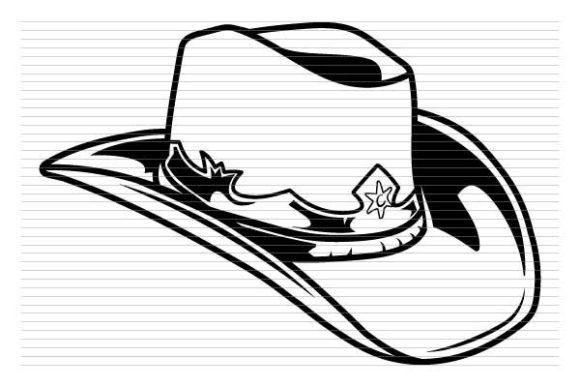
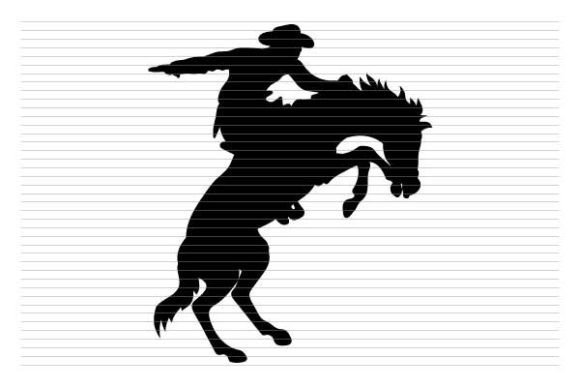
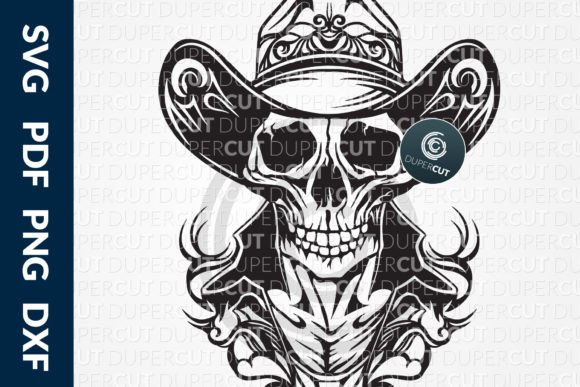
The immediate visual impact of the Skull Cowboy SVG DXF Cut Files is one of bold, rustic character. There is a distinct "western gothic" vibe here that feels very current in the handmade market. It balances the edgy appeal of skull imagery with the nostalgic charm of cowboy iconography. From a design perspective, the silhouette is clean. This is crucial because complex, overly detailed vector graphics can become muddy when converted into stitches.
What stands out is the balance between heavy shapes and open spaces. A well-composed embroidery project relies on this rhythm. If the design is too dense, it becomes stiff and heavy; if it is too sparse, it lacks presence. This file seems to strike a middle ground that allows for creative freedom in thread colors. Whether you want a traditional western palette of browns and tans or a high-contrast monochrome look, the structure supports both approaches without feeling cluttered.
Real-World Application: The Custom Tote Bag Scenario
To truly judge a design, you have to put it to work. Let’s imagine a specific scenario: I am preparing a batch of custom embroidered tote bags for an upcoming craft fair. These bags are meant to be practical yet stylish, appealing to shoppers who appreciate unique, handcrafted goods. I decide to use the Skull Cowboy SVG DXF Cut Files as the central motif on the front panel.
Because this is a tote bag design, I need to consider how the image will sit on the canvas. The sharp angles and strong curves of the cowboy hat and skull elements lend themselves well to the sturdy texture of cotton canvas. However, I also think about versatility. Could this same file work for a softer application? Absolutely. I envision this design on a heavyweight sweatshirt for a fall collection, where the slightly heavier feel of the embroidery adds warmth and texture to the garment. It could even translate beautifully to a custom apparel item like a denim jacket patch, offering a rugged aesthetic that resonates with the target demographic.
For small business owners and Etsy sellers, this adaptability is gold. One strong design asset can generate multiple product listings. You can offer the same Skull Cowboy SVG DXF Cut Files as a print-on-demand graphic for mugs, a cut file for vinyl decals on tumblers, and an embroidery file for hats. This cross-platform potential significantly increases the value of your initial purchase.
Technical Considerations for Stitching
While the graphic is strong, execution is everything. When converting vector art into a machine-readable format, several technical factors come into play. First, we must discuss stitch density. Skull designs often feature large solid areas, which typically require fill stitches. If the density is too high, the fabric may pucker or the stitching may look bulky. Conversely, if the details are too fine, they might get lost in the weave of the fabric.
I recommend reviewing the stitch density closely before finalizing any production run. Look at how the transition from the hat brim to the skull face is handled. Does it rely on a clean satin stitch outline, or does it use a combination of running stitch and fill? A mix of textures adds depth and makes the finished product look more professional. For instance, using a lighter touch for the background elements while keeping the main features bold can create a sophisticated hierarchy in the design.
Another critical factor is the choice of stabilizer. Because this design likely has a substantial footprint, using the correct stabilizer is non-negotiable. A tear-away stabilizer might not provide enough support for a dense fill area, leading to shifting or distortion. A cut-away stabilizer is often safer for permanent garments like jackets or caps, ensuring the embroidered patch remains flat and durable after washing.
Navigating Fabric Constraints
Not all fabrics are created equal, and some present challenges for intricate designs. While the Skull Cowboy SVG DXF Cut Files works beautifully on stable, medium-weight fabrics like denim, canvas, or felt, caution is needed with stretchy knits. Stretchy fabrics can distort the hoop placement, causing the design to skew. In such cases, additional stabilization or a hooping technique that minimizes tension is required.
Similarly, textured fabrics like chunky knits or fleece can obscure fine details. If you are aiming for a crisp, recognizable silhouette, stick to smoother backgrounds. Also, consider the color contrast. On dark fabric, light threads pop, but on light fabric, you need darker threads to define the shape. Always test your thread colors against your actual fabric swatch before committing to a full production batch.
Commercial Viability and Brand Consistency
For commercial embroidery projects, consistency is key to building brand trust. Customers expect a polished finish. A design like the Skull Cowboy SVG DXF Cut Files helps establish a cohesive look across different products. Imagine a boutique that sells matching sets: a sweatshirt embroidery set, a kitchen towel, and a baby onesie. Using the same core graphic creates a recognizable brand identity.
This design also taps into the growing market for personalized gifts. The cowboy theme appeals to a wide audience, from ranch enthusiasts to fans of alternative fashion. It works well for holiday gifts, birthdays, or even as a unique wedding gift for couples who love the west. By offering personalization options—such as adding names or dates in a complementary font—you can increase the perceived value of your handmade product.
However, always remember to check licensing terms. Even though this is listed under digital embroidery file categories, the rights to sell finished items vary by creator. Ensure you have the proper commercial license before listing your small shop product on platforms like Etsy or Amazon Handmade. Respecting intellectual property protects your business and maintains ethical standards in the crafting community.
Final Verdict
The Skull Cowboy SVG DXF Cut Files is a robust, visually striking asset that offers significant potential for makers and designers. Its clean lines and thematic appeal make it suitable for a wide range of applications, from rugged workwear to delicate nursery decor. By paying attention to technical details like hoop size, stabilizer choice, and thread selection, you can transform this graphic into a high-quality finished product that customers will love.
Whether you are creating a single personalized gift or scaling up for a craft business, this design provides a solid foundation for creativity. It is a testament to the fact that a great design asset is not just about how it looks on a screen, but how well it performs in the hands of a skilled artisan. Test it, tweak it, and watch it come to life on your machine.