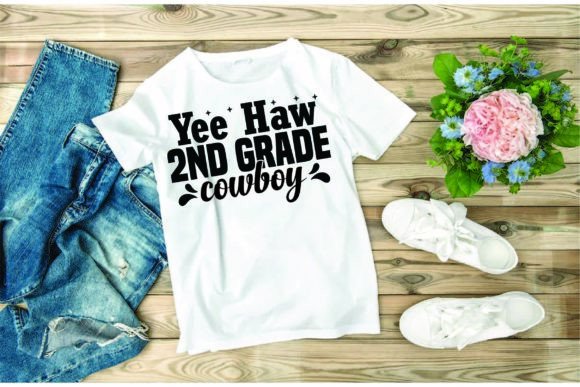
Western Svg Design,yee Haw 2nd Grade Cow
When I sit down to evaluate a new digital embroidery file, I am rarely impressed by flashy graphics that look good on screen but fall apart under the needle. As a designer who frequently produces custom apparel and boutique items for clients, my primary concern is always stitch clarity, fabric stability, and whether the final finished product justifies the price tag. Recently, I reviewed a design titled Western Svg Design,yee Haw 2nd Grade Cow. At first glance, it fits squarely into the trending category of T-Shirt Designs and Graphics aimed at celebrating school milestones with a rustic flair. However, moving beyond the initial visual appeal requires a deeper look at how this design translates from vector art to stitched reality.
First Impressions and Visual Personality
The moment you open the ZIP file containing the EPS, SVG, PNG, and DXF files, the intent of the design becomes clear. It captures a specific mood: playful, rustic, and celebratory. The "Yee Haw" theme paired with a cow graphic suggests a lighthearted approach to the second-grade milestone, which is a significant step in early childhood education. For embroidery designers looking to add personality to their offerings, this design offers a strong visual hook. The layout appears balanced, likely centering the text and character in a way that works well for chest placements or centered back prints.
What stands out immediately is the potential for color play. Western themes thrive on contrast—think denim blues, warm browns, cream whites, and bold reds. This design feels like it was built to leverage those classic thread colors. If executed correctly, it will have a high recognition factor among parents looking for unique, non-generic gifts. It moves away from the standard glittery fonts often seen in school merchandise and leans into a textured, handmade aesthetic that resonates with modern craft trends.
Real-World Application: From Screen to Stitch
I tested the concept of this design across several common embroidery project scenarios to see where it truly shines. The most obvious application is sweatshirt embroidery or heavy cotton t-shirts for the student of honor. The durability of these fabrics can support the weight of the stitches without puckering, provided the correct stabilizer is used. A cut-away stabilizer would be essential here to maintain the integrity of the design through multiple washes, ensuring the "2nd Grade" milestone remains crisp years later.
Beyond apparel, this design shows remarkable versatility for smaller goods. I envision it performing exceptionally well as an embroidered patch intended for a backpack or a denim jacket. The compact nature of the graphic allows it to function as a standalone icon. Furthermore, for Etsy sellers and small shop product creators, this design opens doors to home decor items. Placing it on a kitchen towel or a pillow cover adds a touch of whimsy to a nursery or a farmhouse-style kitchen. The "cow" element ties nicely into broader western or farm-to-table aesthetics, making it a versatile asset for design assets libraries.
Another strong use case is personalized gifts. A custom embroidered tote bag featuring this design makes for an excellent end-of-year teacher gift or a class party favor. The sturdy canvas of a tote bag handles the density of the fill stitches well, and the casual nature of the item matches the fun tone of the graphic. Similarly, baby embroidery applications, such as on muslin burp cloths or hooded towels, could be charming if scaled appropriately, though care must be taken with sizing to ensure the details remain visible on small surfaces.
Technical Considerations and Fabric Constraints
While the design has strong commercial potential, there are specific areas where machine embroidery design execution requires caution. Not all fabrics are created equal, and this design may struggle on certain substrates. On stretchy knits, unless stabilized properly, the design may distort, causing the lettering to warp. Thin fabrics, such as lightweight rayon or silk blends, require extra attention to backing; otherwise, the tension of the stitches could cause the fabric to pucker significantly, ruining the professional look of the piece.
Dark fabrics present another challenge. If the design relies heavily on light thread colors for detail, contrast might be lost. I recommend testing this design in black and white mockups to ensure legibility. Additionally, when working with textured fabrics like fleece or thick wool, the needle penetration might be difficult, potentially leading to skipped stitches. In these cases, reducing the stitch density slightly or using a stronger thread can help mitigate issues.
Curved surfaces, such as baseball caps or beanies, require careful hooping. While the central graphic might work, any intricate details near the edges of the curve need to be evaluated for distortion. Small lettering, particularly the grade level indicator, must be large enough to be readable after stitching. If the design includes tiny decorative accents, they may get lost in the stitch work or become fragile points of failure during wear. Always inspect small details before committing to a full production run.
Practical Designer Notes for Success
To ensure the highest quality output when using Western Svg Design,yee Haw 2nd Grade Cow, I advise following a strict pre-flight checklist:
- Test on Scrap Fabric: Never go straight to the final garment. Stitch the design on a scrap of the same fabric type to check for tension issues and color clashes.
- Review Stitch Density: Check the fill stitch and satin stitch areas. If the density is too high, consider digitizing adjustments to prevent bulkiness, especially on lighter garments.
- Confirm Hoop Size: Ensure your machine’s hoop size accommodates the design dimensions with a margin for error. Trimming close to the edge increases the risk of registration errors.
- Inspect Small Details: Zoom in on the SVG file. Are the lines clean? Do the curves flow naturally? Poorly vectorized paths can lead to jagged satin stitches.
- Check Licensing: Before listing this as a commercial embroidery item on Etsy or your own website, verify the license terms included in the ZIP file. Some designs allow personal use only, while others permit commercial sales of finished goods.
- Stabilizer Selection: Use the appropriate stabilizer for the fabric weight. A tear-away might suffice for woven cotton, but a cut-away is safer for stretchy or durable fabrics.
Final Verdict on Product Value
Ultimately, Western Svg Design,yee Haw 2nd Grade Cow is a solid addition to a crafter’s library. It balances thematic relevance with visual simplicity, making it accessible for both hobbyists and seasoned professionals. Its ability to adapt to various products—from tote bag design projects to holiday embroidery gifts—adds significant value. The inclusion of multiple file formats (EPS, SVG, PNG, DXF) ensures compatibility with a wide range of software, allowing for easy integration into existing workflows.
For craft business owners, this design offers a low-risk, high-reward opportunity. It taps into a recurring seasonal demand (school graduations) with a fresh, western twist. By paying attention to fabric choice, stabilization, and thread selection, you can produce a handmade product that feels premium and thoughtful. Customers appreciate the effort put into personalized items, and a well-executed embroidery job builds trust and encourages repeat business. Just remember to manage expectations regarding fine details on challenging fabrics, and always prioritize quality control in your finishing process.