Cactus Leopard Sublimation Designs: A Designer’s Real-World Embroidery Review
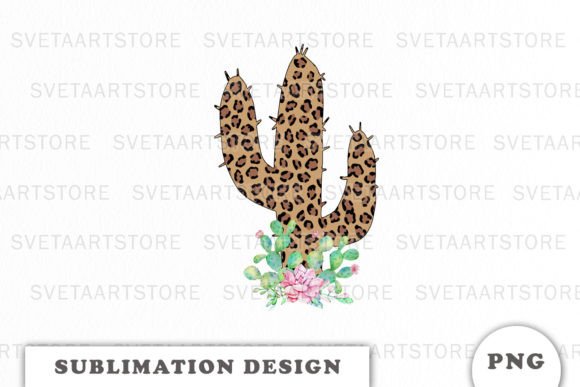
As an embroidery designer who spends more time than I care to admit troubleshooting stitch paths and debating thread colors, I approach every new design asset with a mix of optimism and skepticism. The market is flooded with generic clipart that looks fine on a screen but falls apart under the needle. That is why I take the time to evaluate designs like Cactus Leopard Sublimation Designs not just as digital files, but as potential finished products. This review focuses on how this specific graphic—featuring a leopard cactus and watercolor succulent elements—translates from a PNG file into a tangible, high-quality embroidered item.
First Impressions: Mood and Visual Personality
The moment you load Cactus Leopard Sublimation Designs into your digitizing software or preview window, the vibe is distinct. It isn’t just a standard botanical illustration; it has a playful, bohemian edge that resonates strongly with current trends in handmade goods. The concept of a "leopard cactus" suggests a fusion of desert flora and wild animal patterns, which creates immediate visual interest. When paired with the soft, organic feel of watercolor succulents, the design achieves a balance between structured geometry and fluid artistic expression.
For designers looking to create custom apparel or boutique merchandise, this mood is invaluable. It feels approachable yet stylish, making it suitable for a wide range of audiences. Whether you are targeting young mothers looking for unique nursery decor or fashion-forward individuals seeking statement tees, the aesthetic hits a sweet spot. It avoids being too childish while remaining accessible enough for everyday wear. The hand-drawn quality mentioned in the product description suggests a level of imperfection that adds character, which is crucial for maintaining the "handmade" appeal that customers pay a premium for.
Real-World Application: Where This Design Shines
In my experience, the success of an embroidery project often depends on matching the design complexity to the right product type. Cactus Leopard Sublimation Designs performs exceptionally well on items where the fabric provides a stable canvas but allows the design to be the focal point.
- Tote Bags: A sturdy canvas tote is perhaps the best use case here. The natural texture of canvas complements the earthy tones usually associated with cactus themes. Placing the design centrally or slightly off-center on a shoulder bag creates a chic, artisanal look that sells well at craft fairs and on Etsy.
- Sweatshirts and Hoodies: For cozy, autumnal vibes, this design works beautifully on crewneck sweatshirts. The contrast between the soft fleece and the detailed embroidery adds tactile value. It fits perfectly into the category of sweatshirt embroidery that targets the "cozy aesthetic" trend.
- Baby Items: The watercolor succulent aspect makes this surprisingly gentle enough for baby clothes or burp cloths. Parents love unique, nature-inspired themes that aren't overly gendered. As a baby embroidery piece, it offers a sophisticated alternative to traditional stars and moons.
- Kitchen Textiles: Tea towels and aprons are underrated markets for craft business owners. A cactus-themed apron brings personality to the kitchen, and the durable nature of these items means the embroidery can withstand frequent washing without losing its charm.
When thinking about commercial embroidery, consider the versatility of this design. It can serve as a standalone logo for a plant shop, a decorative element on a patch, or part of a larger collection featuring other desert motifs. Its adaptability increases its value as a digital embroidery file because one design can spawn multiple product lines.
Technical Considerations and Stitching Challenges
However, moving from screen to fabric requires careful planning. Not all graphics translate seamlessly into machine embroidery, and Cactus Leopard Sublimation Designs presents specific challenges that every designer must address before stitching.
Stitch Density and Detail: If the original PNG relies heavily on fine gradients to achieve the "watercolor" effect, you will need to decide how to interpret those gradients in thread. Satin stitches can replicate sharp edges, but fill stitches are better for broad color areas. Be cautious with small details; if the leopard spots or succulent leaves are too tiny, they may become muddy blobs when stitched. Always inspect small details closely. If the design includes intricate line work, ensure your machine can handle the resolution without breaking threads.
Fabric Selection: The choice of fabric drastically affects the outcome. Avoid thin, stretchy fabrics like lightweight jersey unless you use heavy-duty stabilizer, as the distortion could ruin the symmetry of the cactus shape. Textured fabrics, such as bouclé or heavy tweed, might obscure the finer details of the design. For the cleanest look, stick to smooth cottons, linens, or stable blends. Also, consider the background color. Since the design likely features light or mid-tone watercolors, it may get lost on dark fabrics unless you use a contrasting underlay or applique base.
Hoop Size Constraints: Check the dimensions of the design against your available hoop sizes. If you plan to place this on a cap or a curved surface, remember that curvature distorts flat designs. You may need to adjust the angle or scale the design down to fit comfortably on a smaller area, such as a chest pocket or a hat front.
Practical Tips for Execution
- Test on Scrap Fabric: Never commit to a final product without a test run. Stitch the design on a scrap piece of the same fabric you intend to use. This reveals issues with tension, puckering, or color clashes early.
- Thread Color Contrast: Evaluate your thread choices carefully. Use black-and-white mockups to check contrast levels. If the design is subtle, bold thread colors can help it pop, but if it’s already vibrant, neutral threads might let the shape speak for itself.
- Stabilizer Strategy: Use the appropriate stabilizer for your fabric weight. Cut-away stabilizers are generally safer for garments that will be washed frequently, ensuring the finished product remains durable over time.
- Licensing Verification: Before selling any personalized gift or Etsy seller inventory, double-check the license terms. Ensure you have commercial rights to sell physical items made from this design. Some assets are limited to personal use only.
Conclusion: Is It Worth the Investment?
Cactus Leopard Sublimation Designs offers a compelling blend of whimsy and style that can elevate a standard craft project into a professional-grade product. Its strength lies in its thematic appeal—it taps into popular trends while offering enough artistic nuance to stand out in a crowded marketplace. However, its success depends entirely on the execution. By paying attention to stitch density, fabric choice, and proper stabilization, you can transform this digital graphic into a beloved handmade product.
For designers and small business owners, the key is to view this not just as a picture, but as a blueprint for a tactile experience. When done right, the result is a piece that feels both modern and timeless, capable of attracting customers who appreciate quality craftsmanship and unique design aesthetics. If you are looking to expand your catalog with items that resonate emotionally and visually, this design deserves a spot in your workflow.